


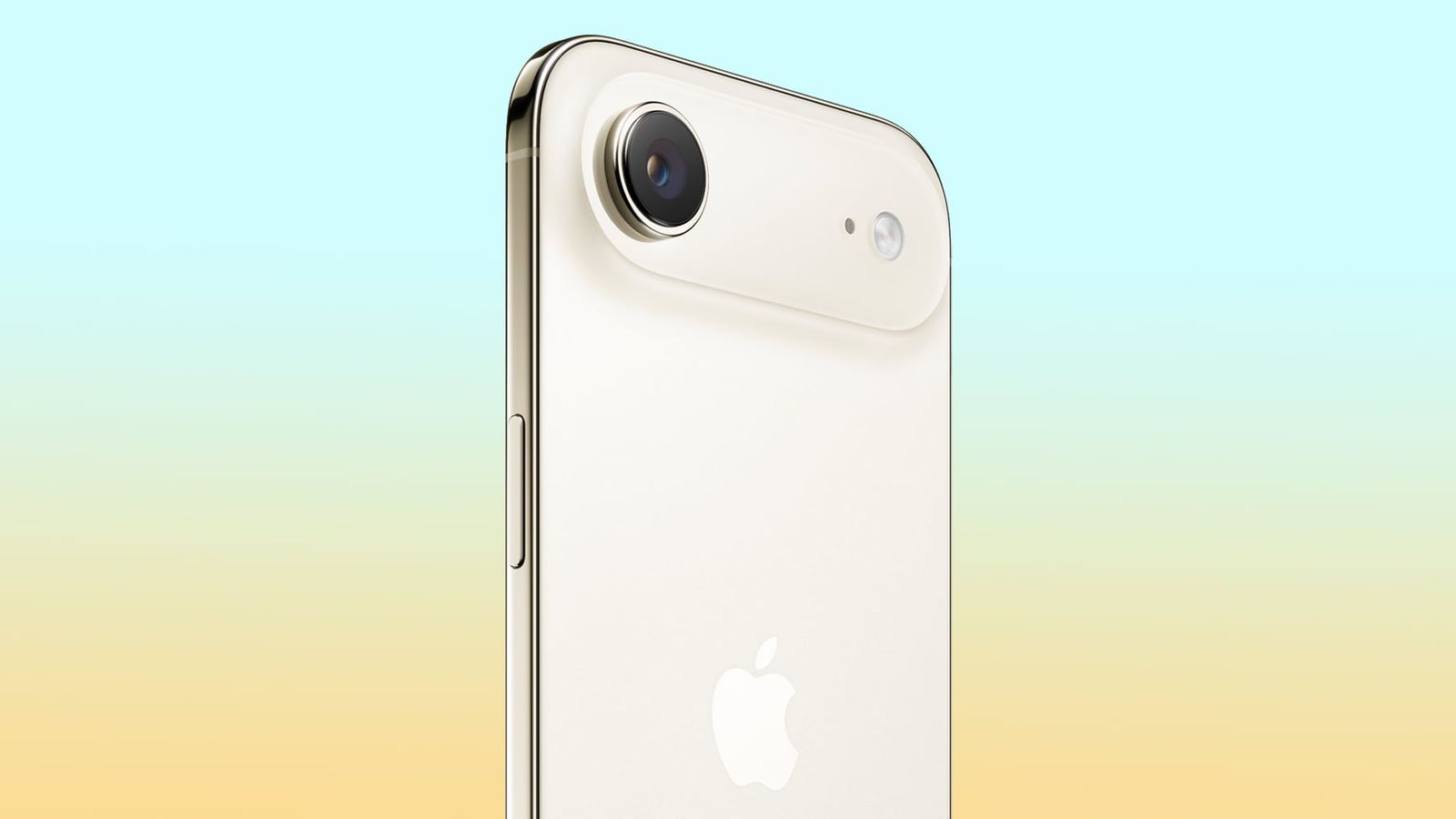
Desde la presentación de la edición inicial de este innovador teléfono ultradelgado, los fanáticos de la tecnología y los analistas del sector han discutido intensamente sobre el balance ideal entre una estética minimalista y una duración de carga que permita a los consumidores culminar su jornada con total tranquilidad. Con las recientes filtraciones originadas en las cadenas de producción asiáticas (específicamente de informantes respetados como Digital Chat Station en la red social Weibo), el entorno digital se ha emocionado ante el inminente lanzamiento del iPhone Air 2. La novedad primordial que está acaparando la atención mediática no es meramente su vanguardista apariencia, sino un factor crítico para el uso ininterrumpido: la nueva batería para el iPhone Air 2.
El reto de la estética extra fina frente a las exigencias del comprador
Cuando Apple lanzó la versión original a comienzos de este año, sorprendió al público mundial con un cuerpo sumamente delgado. Fue catalogado como una proeza de la ingeniería contemporánea, demostrando los límites de la miniaturización sin perder el toque premium. No obstante, este triunfo visual trajo consigo un precio ineludible. El volumen interior del teléfono menguó de forma drástica, forzando a los desarrolladores a integrar un acumulador de apenas 3,149 mAh.
Pese a que la excelente sintonía entre el sistema operativo y el hardware logró que el móvil diera un desempeño bastante aceptable, bastantes usuarios intensivos del iPhone percibieron que el tiempo de uso continuo era la mayor debilidad —su punto flaco— de un equipo que casi rozaba la excelencia absoluta. En la actualidad, el sector de los smartphones es sumamente exigente. Los compradores piden paneles más luminosos, cerebros electrónicos de mayor capacidad y funciones de cámara de última generación, anhelando a la vez que su terminal aguante encendido hasta la noche sin requerir un enchufe.
Atendiendo a este panorama, Apple ha escuchado las sugerencias de su comunidad. Las filtraciones de hoy indican que el futuro dispositivo no sacrificará el aguante energético por culpa del diseño industrial. De hecho, el esperado crecimiento en el almacenamiento de energía transformará positivamente nuestro día a día tecnológico.
Especificaciones de la nueva batería para el iPhone Air 2
De acuerdo con los expertos más certeros del ámbito de manufactura y componentes, la nueva batería para el iPhone Air 2 albergará una capacidad máxima de 3,500 mAh. Para contextualizar esta cifra correctamente, esto supone una subida de más o menos un 11% frente a la pila del modelo presente. Aunque un 11% podría no lucir como una revolución gigantesca en los fríos números, dentro del entorno súper optimizado del iPhone, este incremento neto otorga varias horas extra de manejo real.

Los creadores de Apple prueban constantemente que no precisan de los acumuladores físicamente más voluminosos para brindar una independencia líder en el mercado. Merced a la simbiosis perfecta entre su software iOS y los procesadores fabricados a medida, cada miliamperio se aprovecha al máximo nivel. Con la integración de este componente de 3,500 mAh, se calcula que el iPhone Air 2 rozará fácilmente las 30 horas reproduciendo videos sin conexión a internet, batiendo holgadamente la marca de 27 horas calculada para su antecesor. Para el comprador habitual, esto equivale a disminuir drásticamente la ansiedad por la carga y ganar libertad para jugar, navegar por redes y grabar vídeos durante jornadas extenuantes o viajes largos.
¿De qué manera se alcanza esta mejora sin engrosar el móvil?
Una de las dudas más cautivadoras que surgen de esta noticia es cómo planea exactamente Apple encajar esos 3,500 mAh sin perjudicar la extrema finura que da nombre e identidad a la familia Air. La solución parece hallarse en una mezcla maestra de progresos en la formulación química de las celdas y una reestructuración interna profunda.
Las pistas de los proveedores asiáticos sugieren el empleo de celdas con una densidad energética superior. Esta alteración química facilita guardar más carga en idéntico espacio físico, o incluso en uno ligeramente menor. Por añadidura, suena con mucha fuerza que el inminente iPhone Air 2 utilizará una reciente tecnología de panel OLED suministrada por la corporación Samsung, conocida en el gremio como Color Filter on Encapsulation (CoE).

Este moderno método de ensamble de pantallas consiente concebir un cristal frontal bastante más delgado. Al rebajar el grosor total de la pantalla, Apple gana valiosos milímetros cúbicos dentro del armazón; un hueco que se reserva directa y estratégicamente para ubicar la nueva batería para el iPhone Air 2. Esta táctica magistral evidencia cómo perfeccionar una pieza aparentemente aislada (el display) puede beneficiar directamente el aguante energético general del teléfono.
La trascendencia del venidero procesador A20
Evidentemente, un acumulador mayor es solamente una porción del rompecabezas cuando evaluamos la autonomía de un dispositivo de bolsillo. La otra parte fundamental radica en la eficacia con la que el hardware gasta, reparte y gestiona dicha electricidad. Se anticipa que el iPhone Air 2 poseerá el futuro y veloz chip A20, construido bajo una técnica avanzada de 2 nanómetros (2nm).
Esta merma sin precedentes en la dimensión de los transistores faculta concentrar mucho más poder de procesamiento en menos volumen, reduciendo de paso el gasto de luz y minimizando el calor disipado. Al juntar el silicio A20 de altísima eficiencia con la nueva batería para el iPhone Air 2, el balance promete ser espectacular. Las acciones rutinarias en segundo plano demandarán escaso trabajo al chip, consumiendo la energía muy lentamente. Incluso en labores de carga pesada, como editar grabaciones en alta resolución, ejecutar aplicaciones de realidad aumentada o usar videojuegos potentes, la gestión térmica de este procesador asegurará que los 3,500 mAh rindan sostenidamente sin los molestos bloqueos por calentamiento que sufren otros rivales del sector.
Repercusión en el apartado fotográfico rediseñado
Otro rasgo crucial que sacará provecho indirectamente de esta moderna organización interior es el sistema de lentes. La edición inaugural del modelo Air cosechó ciertas quejas justas por montar solo una cámara gran angular en su parte de atrás. Los clientes del iPhone están muy habituados a la flexibilidad fotográfica que otorgan múltiples sensores, y carecer de una opción ultra ancha resultó ser una concesión dolorosa para bastantes creadores.
Por fortuna, las filtraciones señalan que el iPhone Air 2 enmendará esta falta sumando un segundo objetivo trasero, seguramente un flamante sensor ultra gran angular de 48 megapíxeles, respaldando y complementando a la lente primaria. Instalar una segunda óptica en un perfil tan ajustado es una hazaña tremenda que pide alterar por completo la placa base y sus conexiones.
Justo ahí reluce la minuciosa organización espacial de Apple. Lograr fusionar un módulo de cámara dual y al mismo tiempo elevar la pila a 3,500 mAh confirma la supremacía en diseño industrial que mantiene la firma californiana. Este paso adelante garantiza que el renovado iPhone no solo permanecerá vivo por más horas, sino que será un instrumento de captura fotográfica, escaneo y creación de contenido mucho más polivalente y profesional.

Conclusiones sobre el terminal más ansiado
En síntesis, la unión tecnológica de un panel OLED más fino mediante la técnica CoE, un chip A20 de 2nm súper eficiente y un ordenamiento interno mucho más astuto ha preparado el terreno para un avance histórico en el tiempo de uso de los móviles extraplanos. El aterrizaje confirmado por los soplos de una nueva batería para el iPhone Air 2 de 3,500 mAh no representa una mejora rutinaria o aburrida; es la contestación valiente y directa a las peticiones de millones de consumidores que persiguen máxima comodidad sin vivir encadenados a un cargador de pared.
Apple se dispone a ilustrar nuevamente a la competencia que la sofisticación visual extrema y el funcionamiento duradero logran convivir perfectamente en un mismo dispositivo. Mientras nos aproximamos a la supuesta fecha de estreno estimada para la primavera de 2027, la ilusión en las comunidades tecnológicas no para de multiplicarse.
El iPhone Air 2 se proyecta firmemente como el smartphone más lindo, liviano y revolucionario creado por Apple, y también como uno de los más compensados en cuestiones de puro rendimiento y aguante. Con esta futura modernización de hardware, el devenir de la telefonía estilizada luce más prometedor, más apto y, en especial, mucho más extenso. Quienes dudaban de adquirir la primera versión, pronto tendrán la justificación ideal para dar el salto.