



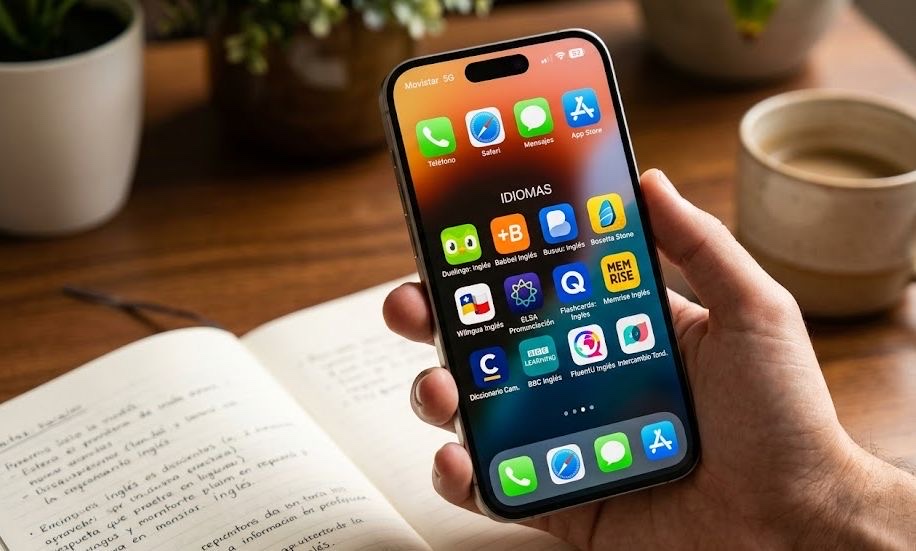

Learning a new language has never been more convenient, thanks to modern mobile technology. Whether you want to travel around Latin America, advance your professional career, or simply challenge your brain, your iOS devices can serve as your personal language tutor. Finding the best apps to learn Spanish can transform your daily commute or downtime into productive study sessions. With intuitive user interfaces, iPad multitasking capabilities, and seamless cross-device syncing, the best iPhone and iPad apps make language learning engaging and efficient. In this guide, we review the top five applications available on Apple devices today to help you achieve Spanish fluency.
Quick Comparison Table
| Application | Best For | Main Focus | Free Option |
|---|---|---|---|
| Duolingo | Casual practice | Gamified bite-sized lessons | Yes with ads |
| Babbel | Practical conversation | Grammar and real-world dialogues | Limited trial |
| Busuu | Community feedback | Structured learning with native input | Basic free version |
| Memrise | Authentic pronunciation | Video clips of native speakers | Basic free version |
| Rosetta Stone | Deep immersion | Contextual visual association | Limited trial |
1. Duolingo: The Gamified Pioneer
Duolingo is widely recognized as one of the most accessible choices among the best apps to learn Spanish. It turns language study into an interactive game with daily streaks, experience points, and competitive leaderboards. Its colorful iPad interface takes full advantage of larger displays, making visual matching exercises fluid and entertaining.
- Advantages: Completely free to use with core features, highly motivating gamification mechanics, and excellent short lessons designed for busy schedules.
- Disadvantages: Heavy reliance on repetitive sentence translation and limited deep explanations of complex Spanish grammar rules.
2. Babbel: Practical Everyday Conversation
If your primary goal is to speak Spanish confidently in real-life situations, Babbel stands out among the best iPhone and iPad apps. Designed by language learning experts, Babbel focuses heavily on practical dialogue, useful vocabulary, and clear explanations of Spanish grammar structures.
- Advantages: Well-structured curriculum focused on real conversation, clear grammar breakdowns, and speech recognition software tailored for accent improvement.
- Disadvantages: Requires a paid subscription for full access and offers fewer gamified incentives to keep casual learners engaged long term.
3. Busuu: Learn with Native Speakers
Busuu combines traditional structured lessons with a unique social network component. It allows learners to complete writing and speaking exercises that are subsequently corrected by native Spanish speakers. On iPadOS, the app provides a smooth, professional workflow that fits perfectly into modern digital study routines.
- Advantages: Direct feedback from native Spanish speakers, customized study plans, and official level certificates aligned with international standards.
- Disadvantages: Key features like native corrections and grammar modules are locked behind the premium subscription paywall.
4. Memrise: Native Video Immersion
Memrise shines by using thousands of short video clips featuring real native Spanish speakers in authentic settings. This approach trains your ear to understand local accents, natural pacing, and regional speech nuances much faster than traditional audio recordings.
- Advantages: Excellent exposure to authentic native accents, effective spaced repetition memory algorithms, and entertaining video content.
- Disadvantages: Less emphasis on formal grammar rules and structured sentence construction compared to traditional language courses.
5. Rosetta Stone: The Classic Immersion Method
Rosetta Stone brings its famous dynamic immersion method directly to your iOS devices. The application completely avoids English translations, teaching Spanish through visual context, audio cues, and intuitive association. The iPad version offers a clean, distraction-free environment ideal for focused study sessions.
- Advantages: Proven immersion-based methodology, excellent voice recognition software, and seamless cross-device synchronization between iPhone and iPad.
- Disadvantages: Higher subscription pricing and a slower learning pace that may feel frustrating for total beginners wanting quick translations.
Finding the Right App for Your Spanish Journey
Selecting from the best apps to learn Spanish ultimately depends on your personal learning style, budget, and daily schedule. While gamified options like Duolingo work wonders for building a consistent daily habit, structured programs like Babbel or Rosetta Stone offer deeper conversational preparation. Equipping your Apple devices with the best iPhone and iPad apps guarantees that interactive, high-quality Spanish practice is always just a tap away.