



September always marks a turning point in the global tech calendar, and this year is no exception. As we approach Apple‘s classic fall keynote, rumors, leaks, and analyses about its next lineup of smartphones are beginning to flood forums and social media. This year, all eyes are on the new generation of flagship devices, but there is one topic in particular that is generating heated debate among the community of enthusiasts and experts: the durability of the new iPhone 18 Pro colors.
Based on recent information from supply chain analysts and well-known leakers on networks like Weibo, it seems the Cupertino company is dealing with a complex balancing act between extreme thermal performance and aesthetic resilience. In this comprehensive analysis, we will break down exactly what future buyers are facing, why the Californian giant has made these engineering decisions, and how this scenario fits within the brand’s broader ecosystem of products.
The Origin of the Controversy: Leaker Warnings
To understand the magnitude of this situation, we must look back at the information shared by the well-known Asian leaker “Fixed Focus Digital.” According to the latest reports, the next flagship from the bitten apple company will maintain the construction based on an anodized aluminum alloy introduced in the previous generation. However, what has set off alarms in the community is a very specific warning: the durability of the new iPhone 18 Pro colors could be compromised by chipping or peeling paint issues.
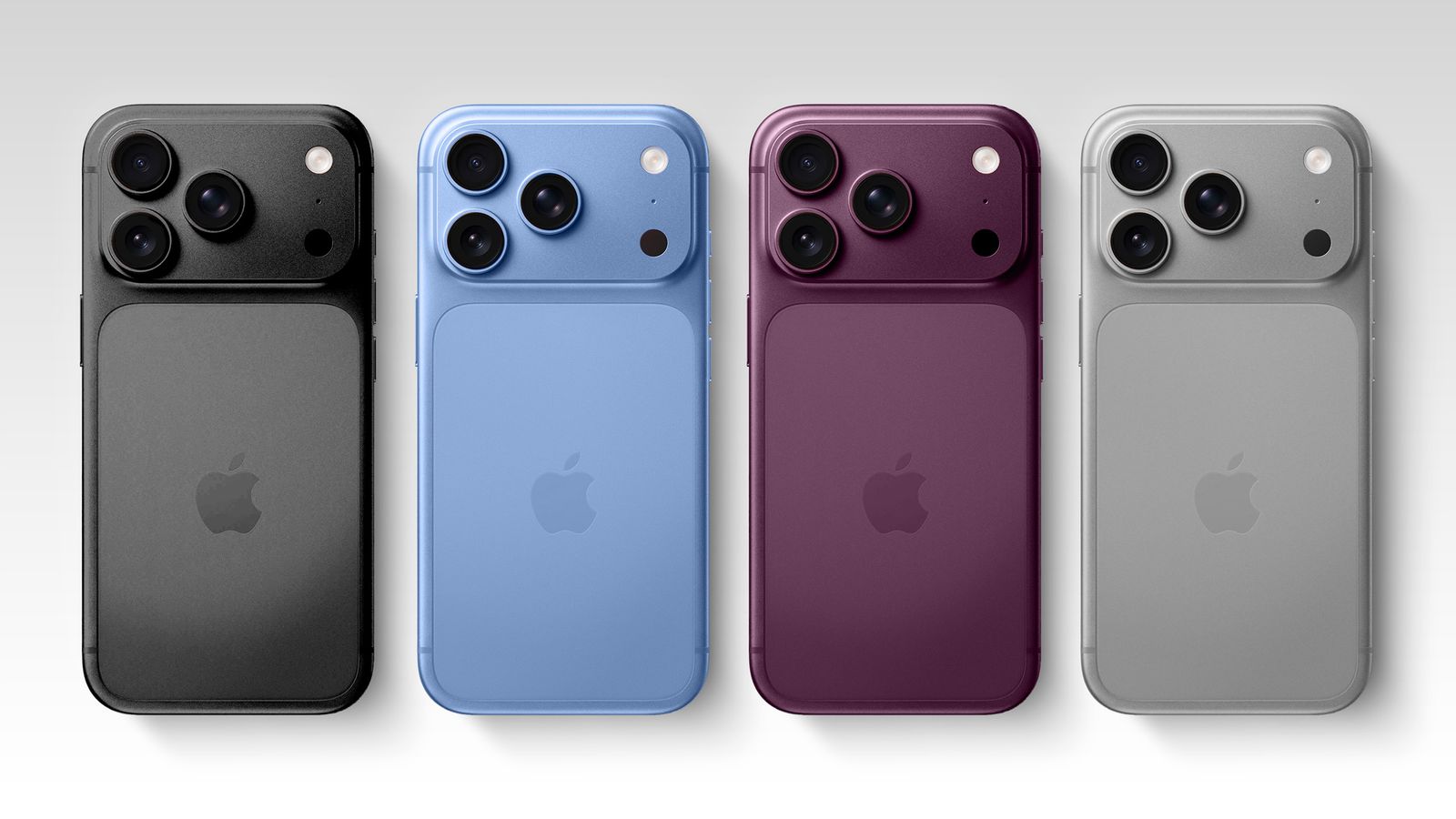
Rumors point to the firm experimenting with very striking color palettes for this 2026, including a Dark Cherry tone that would serve as the signature color, alongside a Light Blue and a Dark Gray. These premium finishes, while undoubtedly gorgeous to look at, might be particularly susceptible to showing signs of wear with daily use. According to the leak, users who are not familiar with the surface wear issues that plagued certain models last year should be “very careful” when choosing the darker or more vibrant finishes.
The problem lies in the fact that when anodized aluminum suffers a deep impact or scratch, the superficial color layer breaks, revealing the bright silver tone of the raw metal underneath. In dark colors like the rumored Dark Cherry, this visual contrast makes the damage much more noticeable than on lighter versions.
The Evolution of Materials: From Steel and Titanium to Aluminum
To understand why the iPhone finds itself at this crossroads, it is essential to review the evolution of the materials used by the tech company over the last few years. For a long time, the “Pro” versions were characterized by the use of surgical-grade stainless steel frames. It was a material extremely resistant to bumps and dents, but it had two major drawbacks: it was a fingerprint magnet and, above all, it was notably heavy.
Later, we witnessed the transition to aerospace-grade titanium. This decision was unanimously applauded, as it drastically reduced the weight of the terminal while maintaining an enviable structural rigidity. However, in a move that surprised many, the recent unibody design abandoned titanium in favor of a high-strength aluminum alloy.
Why take an apparent step backward? The answer is not simply cost-saving, as some critics have suggested. The reality is much more technical and is intrinsically linked to the device’s internal performance.
The Great Dilemma: Thermal Dissipation vs. Surface Resistance
The decision to stick with the aluminum frame instead of reverting to titanium is a classic engineering compromise. The aluminum alloy chosen by the hardware engineers is undoubtedly a softer metal than titanium or steel. This means it is more prone to suffering small nicks (so-called chips) if dropped on rough surfaces or rubbed against keys in a pocket.
However, aluminum possesses a monumental advantage over titanium: its thermal conductivity. And this is where the raw power of the device comes into play. The new brain of the machine, the hypothetical A20 processor manufactured on a 2-nanometer process, is expected to be a performance monster. For a chip of these characteristics to maintain its maximum clock speed during prolonged console-quality gaming sessions or ultra-high-resolution video rendering without suffering from thermal throttling, it needs to dissipate heat rapidly.
The modern smartphone’s interior design incorporates advanced vapor chambers and heat dissipation pipes. Aluminum acts as an exceptional conductor, pulling heat from these chambers and spreading it across the chassis so it can cool on contact with the air. Titanium, on the other hand, tends to retain heat more, creating thermal bottlenecks that force the processor to slow down. In short: Apple has prioritized sustained, overheating-free performance in exchange for an outer metal that is slightly more vulnerable to cosmetic scratches.
The Science of Anodization and the Color Challenge
When we talk about the durability of the new iPhone 18 Pro colors, we are not talking about traditional paint applied with a brush or spray. The process used in the electronics industry is known as anodization.
Anodizing is an electrochemical process that converts the metal surface into a durable, corrosion-resistant, decorative anodic oxide finish. In the case of aluminum, the process thickens the natural oxide layer that exists on the surface of the parts. This oxide layer is porous, allowing dyes (like the spectacular Dark Cherry or Dark Gray) to penetrate the microscopic pores before being sealed.
The challenge is that while the anodized layer is fully integrated with the underlying metal and cannot chip or peel on its own like conventional plastic paint would, it is not invulnerable. It is incredibly hard and handles the friction of everyday objects like coins well. However, because the base aluminum is a relatively soft material, a sharp impact (like dropping it on asphalt or hitting the corner of a glass table) can dent the aluminum substrate. When the underlying metal deforms, the brittle colored oxide layer on the surface fractures, flaking off in tiny scales and causing that “chipping” effect that worries perfectionist users so much.
The Weak Point: The Camera Plateau
Stress tests and durability tests by tech channels on video platforms have consistently pointed out a weak point in this aluminum unibody design: the camera plateau or module.
Unlike the side edges of the device, which usually have a softer curvature or are protected simply by the grip of our hands, the relief housing the lenses protrudes from the back. In this design, the edges of this plateau are often raised and lack a pronounced chamfer (a beveled or rounded edge). These sharp anodized aluminum corners are the primary victims of friction when resting the phone on a table and sliding it. The lack of surface area means all the pressure is concentrated on a tiny edge, making it easier for the color to give way and show silver marks much faster than the rest of the casing.
How the Design Fits into the Ecosystem
To put this in perspective, it is useful to look at how the tech giant handles material choices across the rest of its product catalog. Hardware doesn’t live in a vacuum, and decisions made for one device often teach us about the brand’s overall philosophy.
Let’s look, for example, at the Apple Watch. The smart timepiece in its “Ultra” version is explicitly designed for extreme sports, diving, and mountaineering. Therefore, its casing is forged from pure titanium. On a wrist wearable, the device is much more prone to hitting rocks, door frames, and walls. Massive thermal dissipation is not as critical in a watch as it is in a phone recording spatial video or processing heavy local artificial intelligence, so titanium is the perfect choice: maximum surface durability and structural strength without penalizing operation.
On the other hand, let’s look at the iPad family. For years, the firm’s tablets have used unibody aluminum chassis. Being devices with a huge surface area, thermal dissipation is almost guaranteed by pure physics: there is plenty of room for heat to escape. Furthermore, tablets aren’t usually carried in pockets alongside abrasive keys, nor do they suffer the same daily rigors as a smartphone, making wear on their anodized edges much less frequent. In the iPad’s case, aluminum provides the necessary lightness to comfortably hold such a large screen.
This proves that materials are chosen based on the specific use case of each category. The mobile phone sits at the difficult crossroads where maximum processing performance is demanded in the smallest possible space, carried in pockets, and facing constant drops.
The Role of iOS and Device Performance
We cannot ignore the software factor. The brand’s mobile operating system, iOS, has evolved by leaps and bounds. With the arrival of on-device Artificial Intelligence features, real-time computational photography processing, hardware ray tracing for native AAA video games, and advanced multitasking, the brain of the device is constantly under stress.
The software requires a flawless thermal architecture. If the phone’s chassis failed to dissipate the heat generated by these demanding tasks imposed by the operating system, users would experience crashes, screen dimming (a common thermal protection measure), and a frustrating slowdown of the interface. Therefore, the sacrifice in surface durability in favor of aluminum is the toll we must pay to enjoy the fluidity and immediacy we expect from this software platform. It is a tacit agreement between hardware engineering and software optimization.
The User’s Perspective: Cases, AppleCare, and Expectations
Faced with this situation, what should the everyday consumer who is considering purchasing one of these new premium models do?
First, the level of “danger” must be contextualized. Today’s phones are not going to fall apart in your hands. The aluminum used is of the highest quality (often 7000 series aerospace grade), and it will easily withstand most of the rigors of daily life. The main problem is purely aesthetic. If you are a design purist who cannot stand to see even the slightest imperfection in the paint of your expensive device, the experts in the community have clear recommendations:
- Use protective cases: Although it pains many to hide the terminal’s beautiful industrial design, a high-quality clear case, or a silicone/vegan leather one, will completely nullify the risks of chipping by absorbing the impacts that would deform the metal.
- Strategic color choice: If you hate using cases (what forum members call going ‘naked’), you might want to dodge the Dark Cherry or Dark Gray tones. Opting for lighter finishes like Silver or neutral tones ensures that if a scrape occurs and the underlying metal is exposed, the visual contrast will be minimal, and the defect will go practically unnoticed to the naked eye.
- Protection plans: For those looking to live worry-free, subscribing to the brand’s extended protection insurance remains the ultimate lifesaver. Although it is an additional expense, it guarantees that major accidental damage doesn’t turn into an economic tragedy.
Moreover, in the MacRumors forums and other specialized platforms, the debate remains open. While some users cry out to the heavens arguing that a high-end phone should be invulnerable, others respond with technological pragmatism: “It’s a softer metal; physically, it will get marked if you treat it poorly. It’s your responsibility to take care of it.” It is a clash of expectations between what materials science currently allows and what we consumers desire given the high price we pay.
A Look Toward the Future
While we await official confirmation at the September Keynote, it is clear that mobile hardware engineering is the art of compromise. There is no magic material that is simultaneously light as a feather, invulnerable to scratches, shatterproof against drops, a perfect heat dissipator, and cheap to manufacture.
The rumor mill surrounding the durability of the new iPhone 18 Pro colors reminds us that every design decision has its consequences. By choosing anodized aluminum, the brand is aggressively prioritizing sustained performance, battery health, and the ability to withstand the thermal demands of future processors.
As the entire ecosystem moves forward—with an Apple Watch banking on the ruggedness of titanium and an iPadfocusing on incredibly thin profiles supported by the lightness of aluminum alloys—the mobile phone remains the battlefield where all these forces converge.
It will be fascinating to see how these vibrant new colors hold up in the real world once they reach the hands of millions of users. Until then, the information suggests aesthetic prudence, but promises unprecedented technical performance. Technological evolution does not stop, and we will be here to analyze every innovation, every success, and every controversial scratched aluminum edge it leaves in its wake.