


For true enthusiasts of the Apple ecosystem, there is one device that has always held a special, almost cult-like place in our hearts and backpacks. It is not the largest device, nor the one that dominates the covers of annual keynotes with the same force as the latest iPhone, but its form factor makes it absolutely irreplaceable. We are talking, of course, about the iPad Mini.
For years, the tech community has been clamoring for an update that elevates the screen of this little giant to modern standards. The most recent rumors, backed by supply chain analysts and industry leaks, suggest that 2026 will be the year we finally see an OLED iPad Mini. This update will not be a simple spec bump; it will represent the ultimate maturation of Apple‘s quintessential portable device.
Below, we break down everything you need to know about this highly anticipated release, from the technical advantages of its new panel to the impact it will have on your day-to-day life, its potential price, and how it will fit into an ecosystem where the iPhone increasingly features larger screens.
The Visual Revolution: Why an OLED iPad Mini Changes Everything
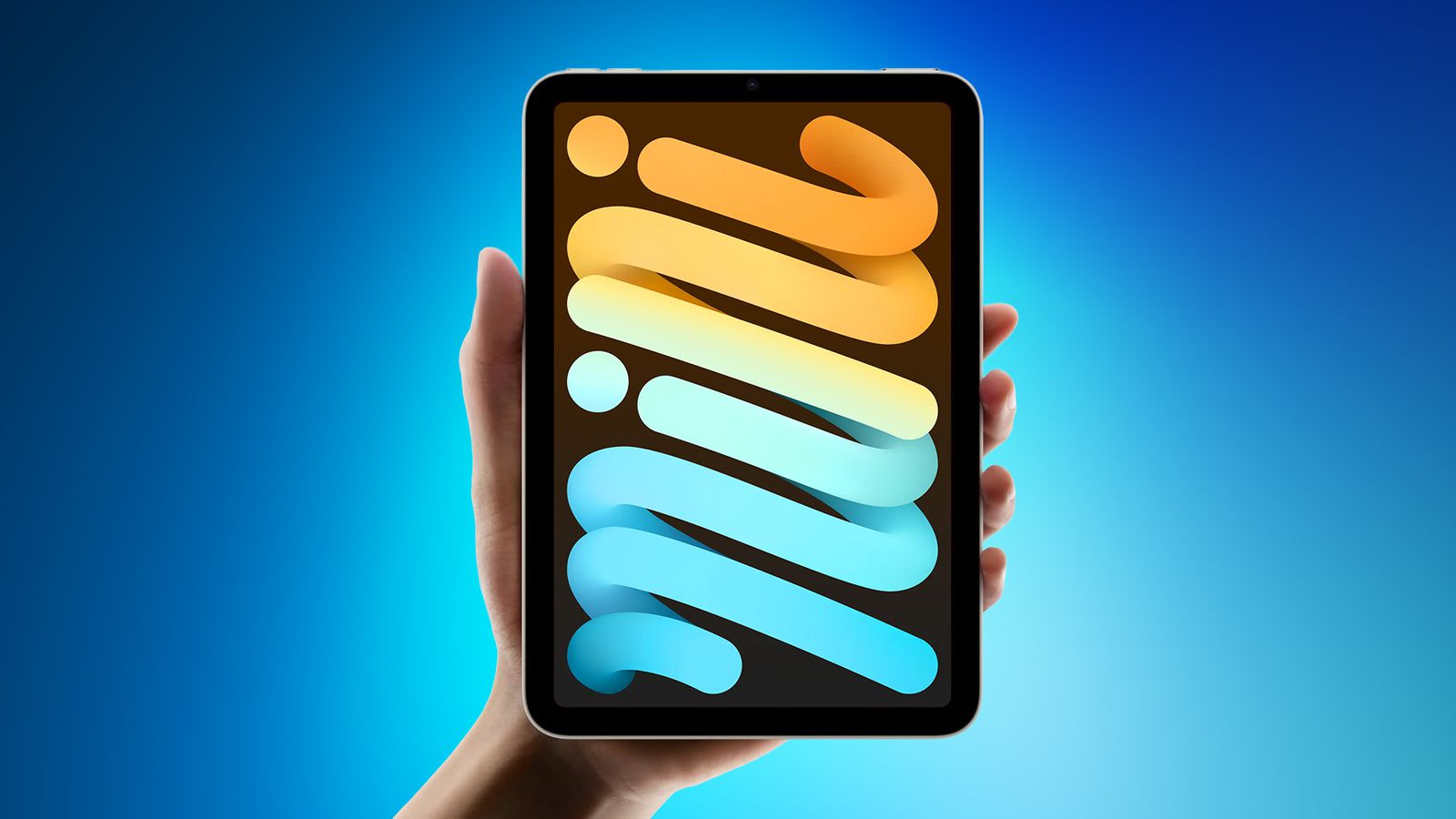
To understand the magnitude of this update, we first need to look back. The current iPad Mini (sixth generation) introduced a radical redesign, eliminating thick bezels and adopting the flat industrial design language that Applestandardized with the iPad Pro. However, its Achilles’ heel has always been the screen. The IPS LCD panel (Liquid Retina) is decent, but it suffers from limitations inherent to its technology, such as the lack of true blacks and the infamous jelly scrolling effect (a visual tear when scrolling vertically quickly) that frustrated more than a few users.
The leap to an OLED iPad Mini solves all these problems in one fell swoop. Unlike LCD screens, which require a constant backlight panel that illuminates the entire screen (even when displaying the color black), OLED (Organic Light Emitting Diode) technology allows each individual pixel to light up or turn off completely independently.
True Blacks and Infinite Contrast
The result? When you watch a movie set in space, read a book in dark mode before bed, or play a game with gloomy atmospheres, the black pixels are literally turned off. This generates an infinite contrast that makes colors pop with spectacular intensity—something iPhone users have been accustomed to for years, but in the 8.3-inch format of the iPad Mini, it will be vastly more immersive.
The End of Jelly Scrolling and the Arrival of ProMotion
One of the biggest debates in the community is whether Apple will implement ProMotion technology (variable refresh rate up to 120Hz) in this new model. Although base iPad models are sometimes limited to 60Hz, the nature of the OLED panels that Apple is integrating into its supply chains suggests we could see significant improvements in fluidity. Even if it remains at 60Hz, the instantaneous response time of OLED pixels almost completely mitigates the screen-tearing effect, offering an infinitely superior reading and browsing experience.
Power and Ecosystem: Beyond the Screen
An OLED iPad Mini wouldn’t be an Apple device without a brain capable of squeezing the absolute most out of that new panel. If we look at the projected calendar for late 2026, this device will be in the perfect position to inherit a next-generation processor.
A-Series or M-Series Silicon?
Historically, the iPad Mini has shared A-series chips with contemporary iPhone models (for example, the A15 Bionic chip). For 2026, it is highly likely we will see the integration of an A18 Pro or an A19 chip, or perhaps Apple will decide to take the leap and equip it with an M-series chip (like the M2 or M3) to unify the tablet lineup under the Mac architecture.
Whatever the decision, raw power will be abundant. This makes the OLED iPad Mini the ultimate portable console. Paired with an OLED panel, games featuring hardware-accelerated Ray Tracing will look spectacular. Imagine playing Triple-A titles that are already arriving in the ecosystem, such as the latest Resident Evil or Death Stranding, on a vibrant screen you can hold with one hand without getting tired.
Apple Intelligence and Multitasking
By 2026, Apple‘s generative Artificial Intelligence capabilities (Apple Intelligence) will be deeply integrated into iPadOS. A powerful chip will be necessary to process these tasks locally, preserving the privacy that characterizes the brand. From rewriting emails to generating images on the fly, the iPad Mini will be a formidable productivity tool, especially for professionals working in the field (architects, doctors, pilots) who cannot lug around a 13-inch iPad Pro.
Design and Ergonomics: The Hidden OLED Advantage
When we talk about OLED screens, we tend to focus on image quality, but there is a crucial mechanical advantage: thickness. OLED panels are significantly thinner than LCDs because they don’t need the backlight layer or light diffusers.
Thinner or Bigger Battery
This reduction in internal space gives Apple engineers two fascinating options. The first is to make the device even thinner and lighter. Considering the main appeal of the iPad Mini is its portability, shaving a few grams off its weight would make it even more comfortable for prolonged reading sessions.
The second option (and the one preferred by users) is to maintain the current thickness and use that extra space to include a larger capacity battery. Keeping in mind that dark OLED pixels consume less power, the combination of a larger battery, an efficient processor, and a screen that turns off for black tones could give us the iPad Mini with the longest battery life in history.
Integration with the Apple Pencil Pro
It is practically a given that this new model will support the Apple Pencil Pro. For digital artists and students, the size of the iPad Mini perfectly mimics a Moleskine notebook. An OLED screen with no air gap between the glass and the touch panel will make the experience of drawing or writing feel exactly like ink flowing onto paper.
The Size Dilemma: iPad Mini vs iPhone Pro Max
One of the most recurring conversations on tech forums is whether the iPad Mini still makes sense in a world where the iPhone Pro Max exceeds 6.8 inches. Aren’t they cannibalizing each other?
The short answer is: no. The long answer has to do with the aspect ratio and intentionality of use. The iPhone has an elongated screen, perfect for vertical scrolling on social media, sending quick messages, and consuming content quickly on the go. It is a device designed for short bursts of attention.
Conversely, the squarer aspect ratio of the OLED iPad Mini (approximately 4:3) offers vastly more surface area for reading e-books, magazines, comic books, browsing desktop-formatted websites, and editing photos in Lightroom. While your phone is a reactive tool, the iPad Mini is an immersive tool. The leap to OLED will only accentuate this difference, turning it into a premium multimedia viewer that doesn’t drain your primary phone’s battery.
Price and Release Date: What Can We Expect?
Let’s get into the realm of educated predictions. The transition to OLED screens is never cheap. We have seen this with the iPad Pro lineup, where the switch in panels (in its case, tandem OLED) resulted in a notable increase in the base price.
How Much Will It Cost?
The current iPad Mini starts at a very competitive price range, often hovering around $499 USD depending on storage. With the introduction of a high-quality 8.3-inch OLED panel, it is very prudent to expect a price bump. Apple will likely position the OLED iPad Mini closer to $599 USD or $649 USD for its base model. Although this may seem like a steep jump, the durability of Apple devices and the extreme quality of the new screen will justify the investment for its target audience.
When Will We See It?
According to supply chain reports, the production of OLED screens for displays of this size by suppliers like Samsung Display and LG Display is scheduled to scale up in the second half of the decade. This aligns the release of the OLED iPad Mini for Fall 2026, possibly at Apple‘s classic October event, which is traditionally reserved for the Mac and iPad lineups, separating it from the iPhone release cycle in September.
Conclusion: The Wait Will Be Worth It
The iPad Mini is the device nobody thinks they need until they use it for a week. It is the perfect travel companion, the ultimate comic book reader, the go-to digital bedside notebook, and the smart home control hub.
The arrival of an OLED iPad Mini is not just another rumor; it is the logical and necessary step in the device’s evolution. By equipping it with the same deep blacks, vibrant colors, and energy efficiency we already enjoy on the iPhone, Apple is not just updating a product—it is perfecting a category they invented themselves. For tech lovers who value portability without sacrificing premium quality, late 2026 cannot arrive fast enough. The wait will be long, but the promise of a truly “Pro” pocket-sized format will make every minute worth it.