



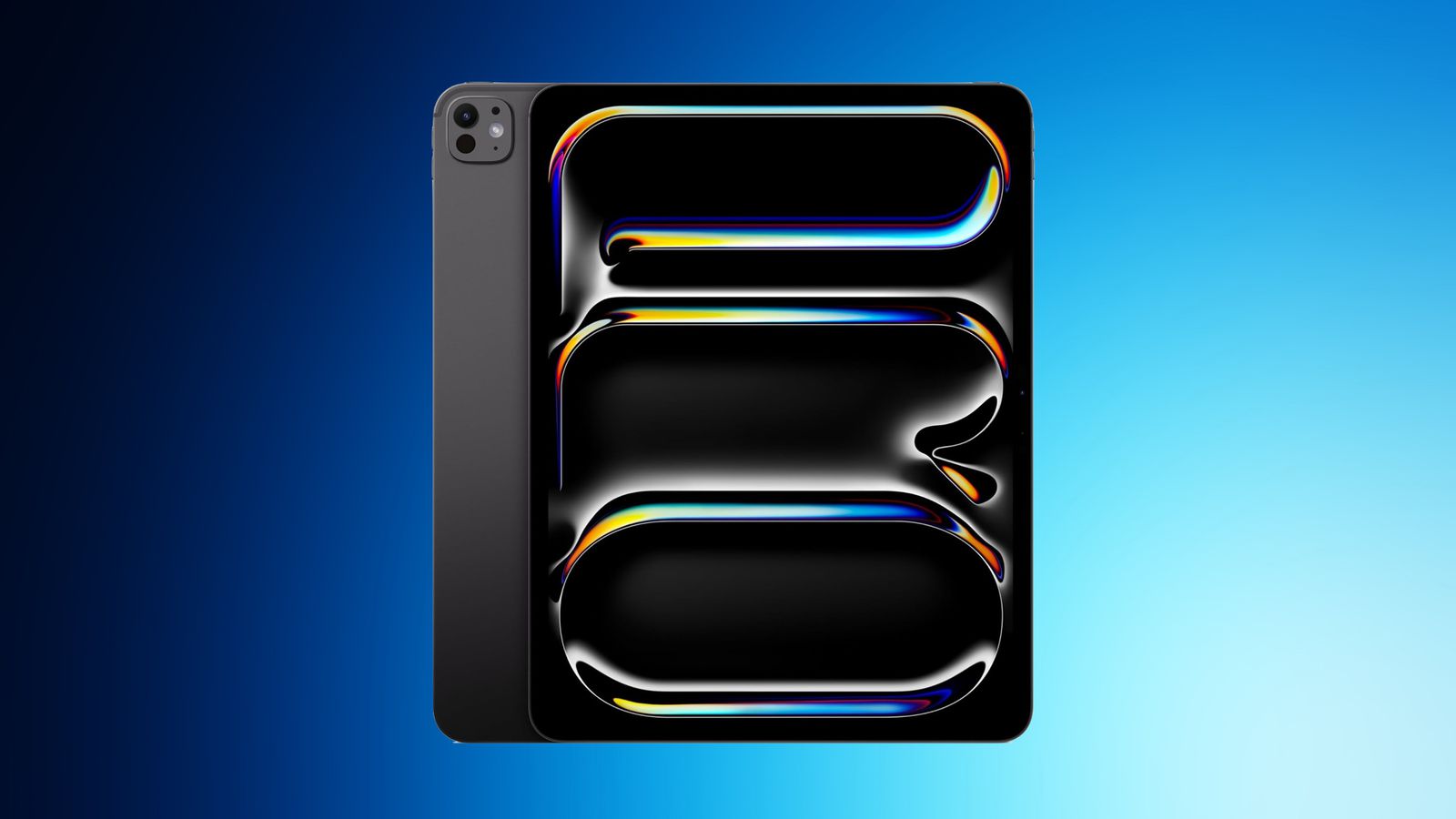

The tech device ecosystem is always in constant evolution, and the most demanding users already have their eyes set on the future. The most recent industry speculations point out that the highly anticipated launch of the new iPad Pro is scheduled for the spring of 2027. This news has generated immense expectations among the creative and business communities, as it marks a significant step forward in the maturity of the company’s most advanced tablet lineup.
As the device historically consolidated its position as a professional work tool and an unparalleled entertainment platform, the arrival of the new iPad Pro promises to further cement its undisputed leadership in the high-end market. While previous generations have already set a very high quality standard, this upcoming iteration seems focused on maximizing internal performance without drastically altering what already works perfectly on the outside.
A Consolidated Design and Dazzling Displays
For those expecting a radical redesign, this generation’s strategy might be different. Supply chain reports indicate that the company will maintain the current dimensions, offering 11-inch and 13-inch versions. This means that the new iPad Prowill retain its ultra-thin profile and elegant aluminum chassis—features that have been unanimously praised for favoring extreme portability without sacrificing structural rigidity or ergonomics.
Likewise, the four models currently in the testing phase—which likely represent the Wi-Fi-only variants and those with cellular connectivity—are expected to continue utilizing the astounding Tandem OLED display technology. This technology provides unbeatable contrast levels, perfect blacks, and exceptional peak brightness, which are crucial elements for professionals dedicated to color grading, digital illustration, and HDR content editing. Instead of reinventing the wheel on the outside, Apple designers seem to have concluded that the current physical form borders on perfection, directing almost all their engineering efforts toward the inside of the machine.
The True Generational Leap: Power and Artificial Intelligence
The true generational leap will unquestionably be found in the “brain” of the device. Currently, there is an intense debate within the industry regarding whether the launch of the new iPad Pro will be accompanied by the M6 processor or if, conversely, it will make a direct jump to the M7 chip. According to semiconductor experts, the company is aggressively accelerating its silicon development roadmap to massively boost artificial intelligence capabilities across all its portable devices.
If the new iPad Pro incorporates the M7 architecture, it would feature a microprocessor specifically optimized to handle extremely complex AI workloads and direct on-device processing, far exceeding the computing muscle of any competing tablet. The leap toward advanced local neural network processing is vital for the future, guaranteeing absolute data privacy and the immediacy of smart features.
The performance of the current iPad Pro with the M5 processor is already dazzling, capable of exporting 4K ProRes video tracks and handling heavy calculations flawlessly. However, as adapted software demands superior computing power that rivals traditional desktop workstations, this predictable leap in processors will ensure that the tablet runs comfortably for many years to come.
Thermal Innovation: The Vapor Chamber
However, housing an extremely powerful processor is not enough if the device cannot efficiently dissipate the heat it generates when running at maximum capacity. This is where one of the most exciting innovations of this upgrade cycle comes into play: the potential inclusion of a modern vapor chamber cooling system.
Historically, Apple tablets have relied on traditional passive thermal designs that simply distribute heat through the rear aluminum chassis. But for sustained workloads, such as rendering complex 3D environments, prolonged multi-cam editing, or ultra-detailed console-level gaming, a vapor chamber system could mark a turning point for the lineup.
This thermal dissipation technology would allow the new iPad Pro to maintain constant peak performance for much longer periods without suffering from the dreaded speed drops caused by thermal throttling. By managing heat much more evenly and quickly, the vapor chamber would not only protect the longevity of valuable internal components but also keep the exterior of the device at a completely comfortable temperature to the touch, even under massive computational stress.
Perfect Synergy with Professional Accessories
One aspect that can never be overlooked when analyzing this market segment is the seamless interaction with professional-grade accessories that enhance the user experience. It is virtually certain that compatibility with essential tools, such as the next-generation digital pencil and low-profile magnetic keyboards, will remain intact.
In fact, these peripherals could receive software-level updates driven by the new processor’s revamped AI to vastly improve predictive features. The latency, which is already imperceptible when writing or drawing on the iPad Pro‘s stunning Tandem OLED panel, could benefit from advanced new algorithms, anticipating the user’s strokes and offering an even more organic, precise, and immediate response. This perfect synergy between hyper-powerful internal hardware and meticulously tuned hardware add-ons is what truly cements the “Pro” moniker of the device, allowing content creators to feel a tangible, fluid, and highly useful progression in their daily creative workflow.
Release Cycle and Market Perspectives
The context and timeframe of this premiere are fundamental to understanding the company’s long-term commercial cadence. The last substantial update to this tech family took place in October 2025, which implies that the launch of the new iPad Pro in the spring of 2027 will represent a relaxed renewal cycle of approximately a year and a half.
This strategic patience demonstrates that the Californian firm prefers to mature its developments until achieving engineering improvements that provide real and verifiable value to the consumer, distancing itself from the urgency of presenting minor annual iterations that barely bring anything new. Additionally, the volatile economic landscape of components—especially regarding dedicated memory and the advanced manufacturing nodes necessary for AI tasks—recently caused some price adjustments in the industry. Following the fluctuations reported a while ago, everything points to the upcoming version tenaciously defending its position at the top of the sector, attracting customers willing to invest heavily in exchange for an absolutely unrivaled mobile productivity instrument.
Conclusion: The Future of Mobile Creation
In conclusion, the spring of 2027 is shaping up on the horizon as a crucial and exciting time for fervent advocates of top-tier touch computing. Even if its exterior does not seek to reinvent the canons of contemporary design overnight, the new iPad Pro will unquestionably become a marvel of speed and efficiency on the inside.
The powerful combination of brand-new silicon focused on revolutionizing local artificial intelligence tasks and the adoption of advanced vapor chamber cooling will turn this tablet into the ultimate and irreplaceable tool for the creative sector. For those professionals who daily push the capabilities of the iPad Pro to the limit, this generation will dissolve any existing bottlenecks, guaranteeing endless hours of uninterrupted, full-power labor. With these promising technological advancements on the table, Apple once again charts the path forward for the rest of the industry, firmly ensuring that its most versatile and ambitious portable device remains completely out of reach for the competition.